United Launch Alliance’s Vulcan rocket failed ten minutes into its flight on Sunday, destroying all 40 Amazon Leo internet satellites aboard and handing ULA the first outright launch failure in the company’s history. The mission, designated Leo 1 (LV-01), was the first Vulcan flight in nine months and the first of 38 Vulcan launches Amazon has purchased to build out its Leo constellation.
An Anomaly During the Centaur Burn
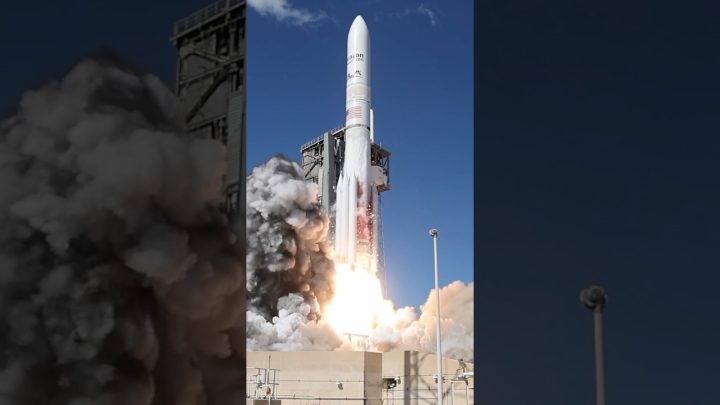
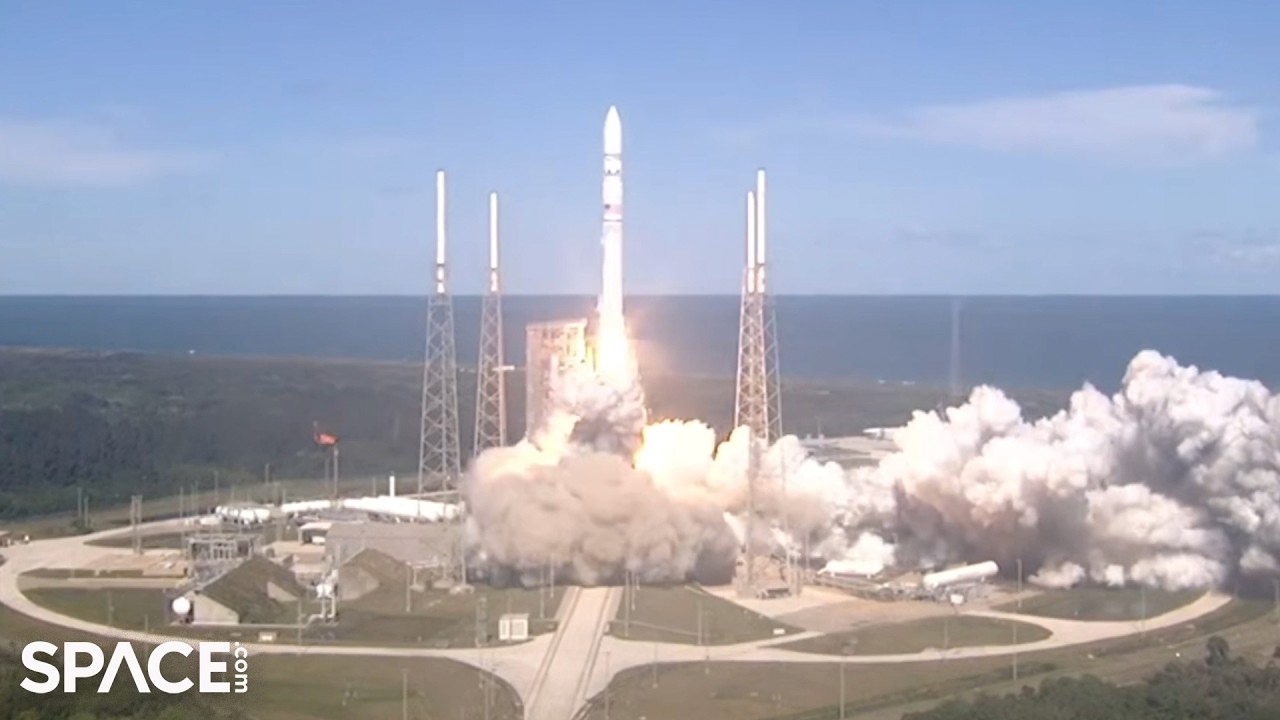
Vulcan lifted off from Space Launch Complex 41 at Cape Canaveral Space Force Station at 12:40 p.m. EST, riding 3.8 million pounds of thrust from six strap-on solid rocket boosters and two methane-burning BE-4 engines. About ten minutes into the flight, during the first burn of the hydrogen-fueled Centaur upper stage, something went wrong.
“Based on data received by our Launch Director, we confirm that the Vulcan vehicle launched from Space Launch Complex 41 suffered an anomaly 10 minutes into the flight and failed to deliver the Amazon mission to orbit,” ULA said in a statement issued some 50 minutes after liftoff. “We will work closely with our customer and other appropriate organizations to find the cause, determine the appropriate corrective action and return to flight as quickly as possible.”
It was the first outright failure of a ULA rocket since the company — a partnership between Boeing and Lockheed Martin — was formed in 2006.
What the Flight Looked Like
The six solid boosters, whose nozzle problems marred two earlier Vulcan flights, appeared to perform normally this time, burning out and falling away about a minute and 40 seconds after liftoff. From there, the flight looked increasingly off-script: the BE-4 first stage appeared to burn longer than ULA’s pre-launch timeline called for, stage separation came later than expected, and telemetry-driven animation showed the Centaur making unusual orientation adjustments early in its planned 12-minute, 15-second burn. ULA’s launch commentators mentioned no problems, and the broadcast ended without confirming whether the Centaur’s first firing ran its full duration.
A Hard Road Just to Reach the Pad
Sunday’s attempt was the third try in three days. Friday’s launch was scrubbed when a problem knocked out a gaseous nitrogen plant serving multiple launch providers; Saturday’s attempt was delayed by network problems between the Vulcan and ground systems. Even on Sunday, controllers called a hold at T-minus 20 seconds for an unexplained technical issue before resetting to the end of the window and launching. Whether any of that played a role in the failure is not yet known.
This was only the fifth flight of Vulcan, the rocket replacing ULA’s Atlas 5 fleet, and the first in nine months while ULA and Northrop Grumman worked through the solid booster nozzle issues. The Space Force had already put Vulcan’s national security launches on hold pending additional analysis of those problems. The BE-4 engines on this rocket had also been retrofitted with a Blue Origin fix for the oxygen valve problem blamed for New Glenn’s catastrophic on-pad explosion last May.
What It Means for ULA and Amazon
Vulcan now faces a potentially significant grounding while engineers review telemetry and implement fixes. For Amazon, the loss is a costly schedule hit: Sunday’s flight would have raised the number of Leo satellites in orbit to 436, out of more than 3,300 needed to complete the constellation. Amazon has already flown eight Leo missions on ULA’s Atlas 5, and holds bookings for 24 flights each on Blue Origin’s New Glenn and Europe’s Ariane 6, plus 13 on SpaceX’s Falcon 9 — but New Glenn is itself grounded after its May explosion, leaving Amazon’s deployment plan squeezed from two directions.
NASA Administrator Jared Isaacman offered the agency’s help on X: “The team at NASA is available to assist in all matters related to the investigation and remediation effort. Artemis, Moon Base, and the nation need ULA. We are in your corner and here to help.” ULA says Amazon and its other customers will have full visibility into the investigation.
A Short and Troubled Flight History
Vulcan’s record now stands at five flights, and three of them have involved anomalies. Solid booster nozzle problems marred two earlier missions — one in 2024 and another this past February — although both of those rockets still delivered their payloads. Sunday’s flight was the first time a Vulcan failed to reach orbit, and the first time in ULA’s two-decade history that one of its rockets failed outright. The investigation will now decide how long Vulcan — and the national security and commercial missions stacked up behind it — stays on the ground.
Based on ULA statements and Spaceflight Now reporting.