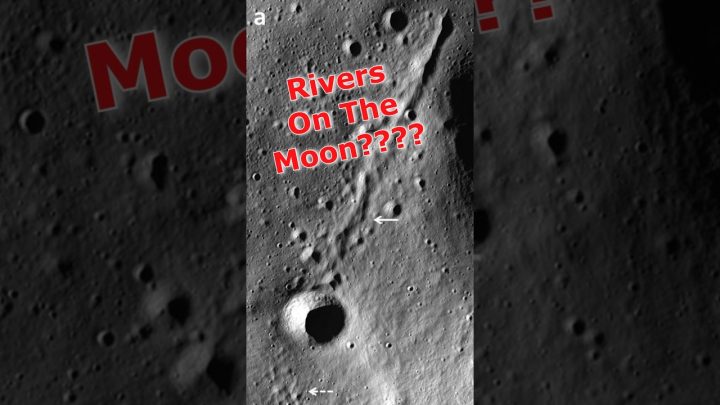
The Moon has a new scar. Astronomers recently confirmed the appearance of a massive new impact crater on the lunar surface — one that wasn't there in previous surveys. It's a stark reminder that the Moon is not the static, unchanging world it appears to be from Earth. It's an active target in an ongoing cosmic bombardment. How We Missed It The Moon's surface is constantly being reshaped by impacts, but most are too small to notice from Earth. This new crater is different — large enough that its absence in older images is conspicuous. The fact that it went unnoticed until now says less about the crater and more about how incomplete our lunar mapping still is. Modern lunar orbiters like NASA's Lunar Reconnaissance Orbiter have photographed vast swaths of the surface in stunning detail. But the Moon is big — roughly the size of Africa — and comprehensive, high-resolution coverage of every square kilometer is an enormous undertaking. New craters can hide in the gaps. What Created It The most likely culprit is a meteoroid strike — a chunk of rock or metal, perhaps the size of a car or larger, slamming into the lunar surface at tens of thousands of kilometers per hour. Without an atmosphere to burn up incoming objects, even relatively small impactors reach the surface at full speed, excavating craters far larger than themselves. Fresh lunar craters have a distinctive appearance: bright rays of ejected material radiating outward, sharp rim walls, and a bowl-shaped floor. Over millions of years, micrometeorite impacts and space weathering darken and soften these features. The brightness of this new crater's rays suggests it's genuinely recent — possibly within the last decade. Why It Matters Every new crater is a data point. By studying fresh impacts, scientists can calibrate the current rate of bombardment in the inner solar system — critical information for planning permanent lunar bases. If car-sized rocks are hitting the Moon regularly, future astronauts will need serious overhead protection. The crater also serves as a natural experiment. Comparing before-and-after images lets researchers study exactly how impact energy excavates material, how ejecta blankets form, and how quickly space weathering begins to alter fresh surfaces. It's planetary science happening in real time. The Moon Is Still Being Built We tend to think of the Moon as ancient and finished — a dead world frozen in time. But new craters like this one tell a different story. The Moon is still under construction, still being shaped by the same processes that formed it billions of years ago. As humanity prepares to return to the lunar surface with the Artemis program, understanding this ongoing bombardment isn't just academic curiosity. It's a…
A Massive New Crater Just Appeared on the Moon
Source: Anton Petrov
Keep exploring